Position-dependent optical energy density measured in 3D scattering samples (new PRA by Ozan Akdemir et al)
When light enters opaque white materials like paint, foam, or tissue, the photons are scattered like pinballs. So light doesn’t
Read more
Initiative by 3 Dutch Universities
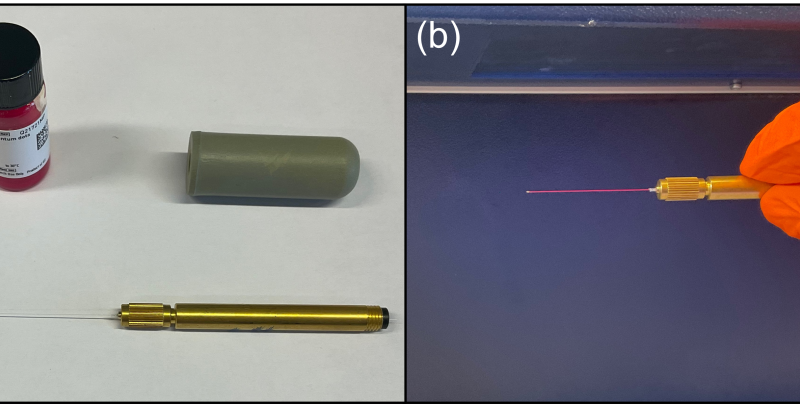
When light enters opaque white materials like paint, foam, or tissue, the photons are scattered like pinballs. So light doesn’t
Read more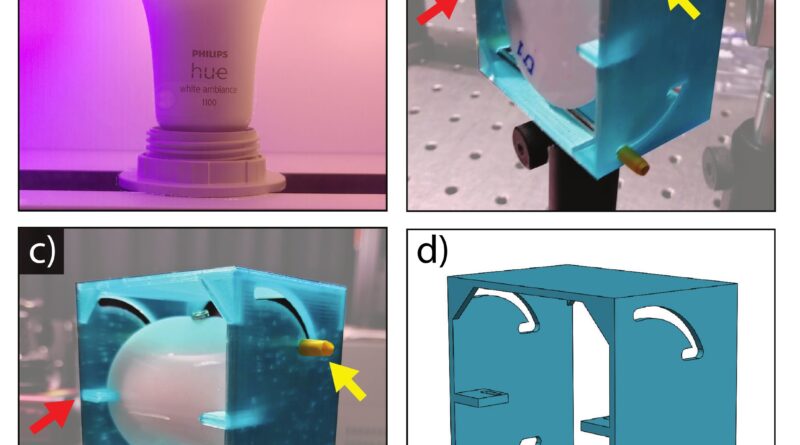
When light travels from A to B through a transparent material, it takes a path whose prescription has been well-known
Read more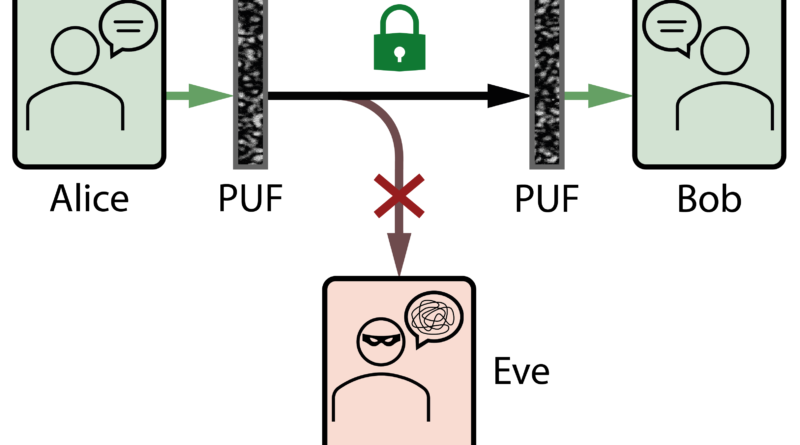
Researchers from the Complex Photonic Systems (COPS) group used two layers of random materials to encrypt and decrypt a message
Read more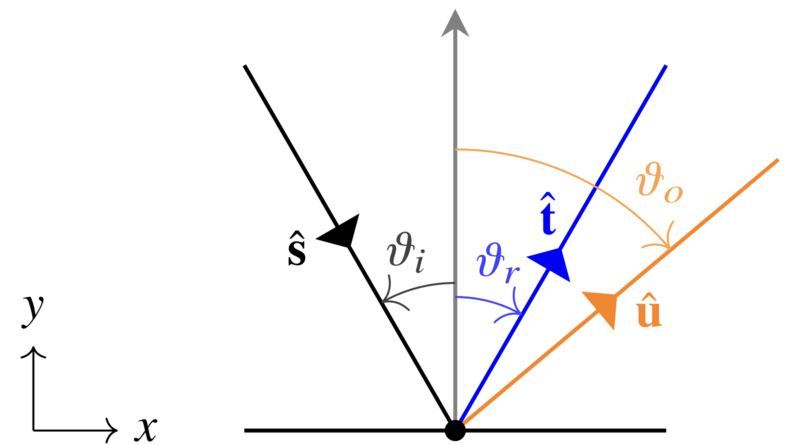
Our recent publication, Two-Dimensional Freeform Reflector Design with a Scattering Surface, was listed in the Journal of the Optical Society
Read more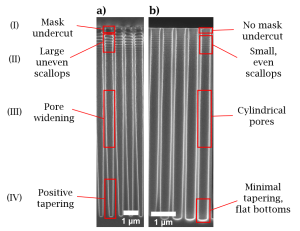
How good a photonic crystal is is very dependent on the fabrication. Large deviations from the ideal result in decreased
Read more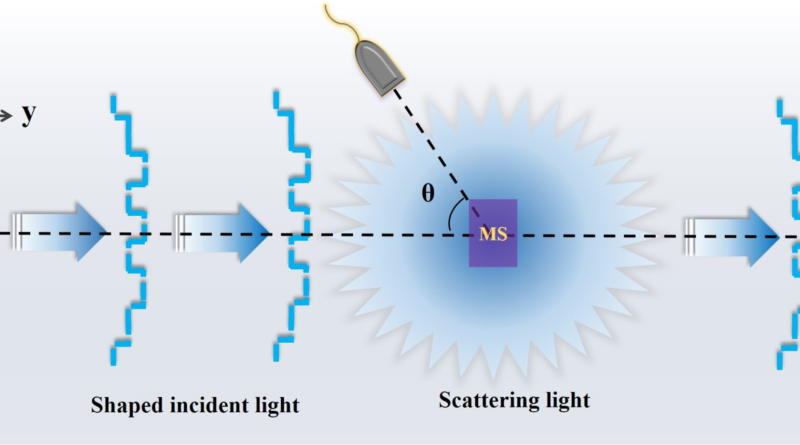
Light scattered by nanoparticles is at the basis of the rich colors of stained glass in medieval buildings or of
Read more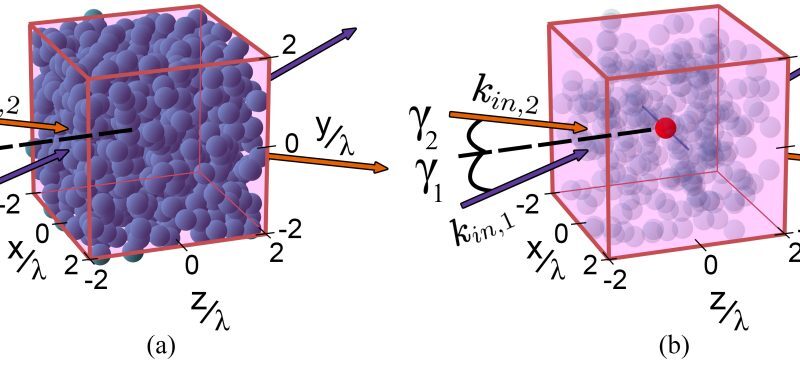
Tracking the position of a single particle within opaque samples, such as paint, foam, and tissue, is a major challenge
Read more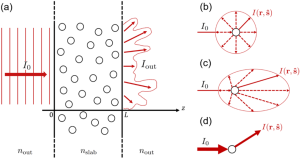
Opaque scattering materials, such as paint, foam, and tissue, typically consist of many small particles that cause incident light waves
Read more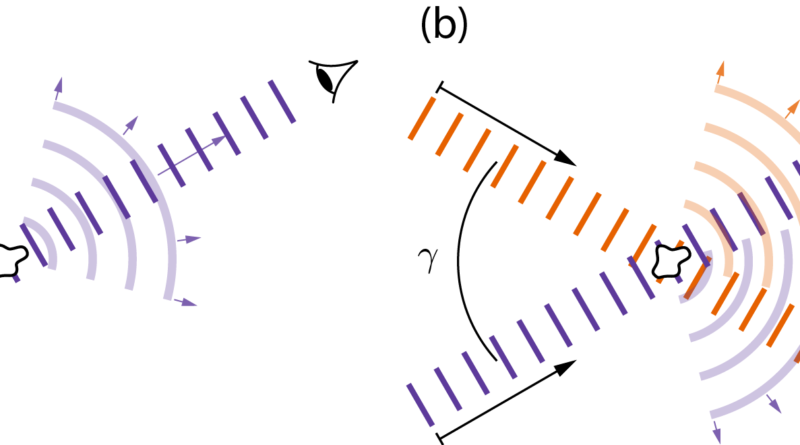
Making a dark human hair transparent, or an opaque bar of silicon transparent: this optical sorcery is possible by manipulating
Read more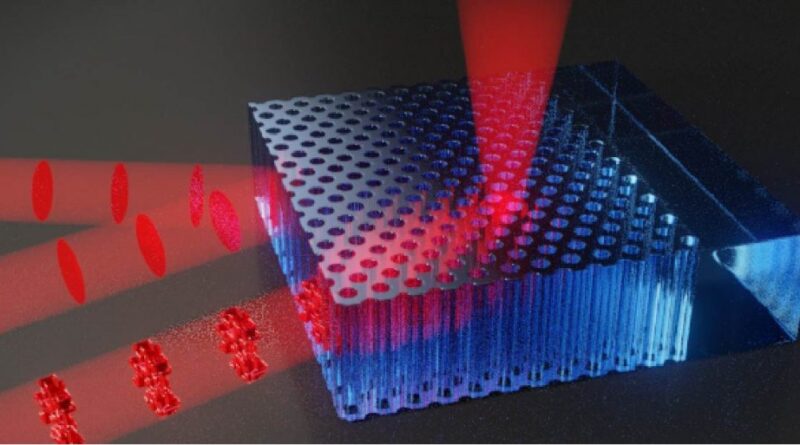
Ravitej Uppu has a conundrum—the best materials for housing qubits and certain other optically activated objects typically reflect incident light.
Read more